
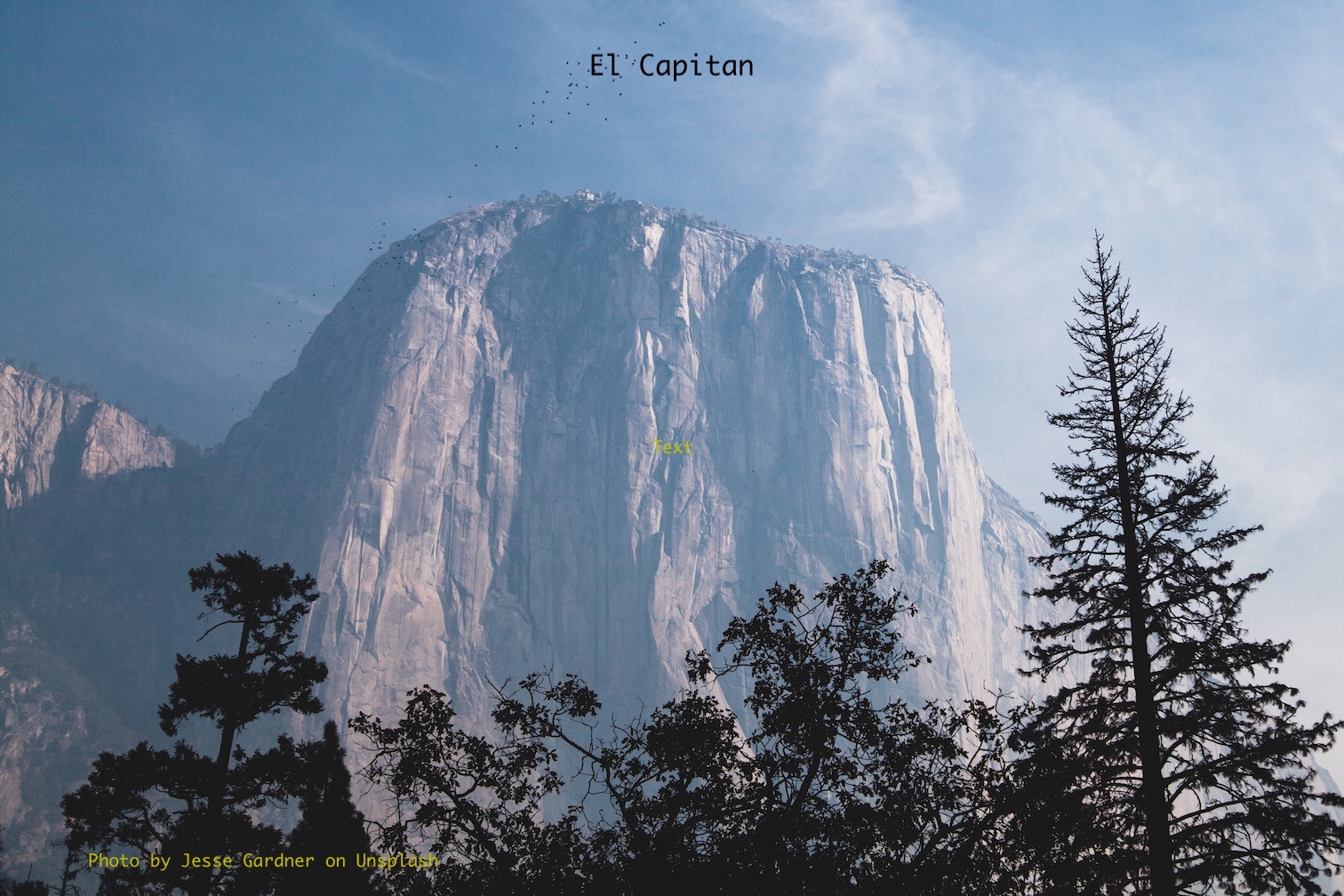
I’m watching Free Solo, the documentary about rock climber Alex Honnold. Free soloing is the term for climbing with no ropes, carabiners, harness, helmet, or belayer. What. The. Hell. My first question really is why does anyone want to do this? I can’t even understand why people climb, ever, even with all the gear. It just seems too dangerous to be motivating or fun. Honnold is the only climber to free solo El Capitan, a vertical rock formation in Yosemite National Park. From base to summit, it’s about 3,000 feet. That’s just over half a mile.
This guy reasons that anyone could die at any given moment in the course of a normal day. His logic is F-L-A-W-E-D flawed. Because dying might happen anyway, he climbs free solo. I’m skeptical about this dude’s mental health. Now, I’m all for living your life the way you want and choosing experiences over things. I just don’t understand. At all.
It must be the adrenaline rush he knows he will achieve if he succeeds. Truly though, his fight or flight response must kick in immediately, and so he must keep going, but that’s once he’s already a hundred feet up the side of a flat rock. What is driving him to start in the first place?
He started, he says, because he was shy and introverted, and it was a thing he could do to get away. He loved to climb trees and roofs as a kid. Didn’t most of us? And we didn’t become insane pursuers of death.
Climbing has allowed him to travel. I get to travel, too. But I don’t have to test my strength and determination in unique, terrifying feats just to go to Europe.
He says he would choose climbing over a lady. This is life, his passion. Alex Honnold is a rare breed.
There are climbers, hikers, nature lovers by the million. I love to bathe in nature, traversing paths beneath the trees and losing myself along hidden trails. It’s euphoric and healthy to get out there and move in the world. And I may be in danger of spraining an ankle, or maybe even getting pulled into a bush by a maniac. But I’m pretty careful and vigilant. And I’m big. I’m not the smart choice for an abduction.
Maybe my logic is flawed, too. However, I’m not willingly throwing myself into a daily routine where one slip, one mistake causes me to immediately plummet to my death.
Climbers readily acknowledge that “anyone who made climbing a big part of their life is dead.” And yet they continue to climb.
Honnold got an MRI to check his brain for abnormalities. “Maybe there is something wrong with me,” he thought. Why else would he want to do this, doctors asked. See, even science suspectshe is off his rocker a little bit.
Scans revealed Honnold has no amygdala activation. His brain actually needs a higher level of stimulation to satisfy his emotional center. That makes sense. Mystery solved. This is something I can fathom.
Now I’m going to watch this uniquely motivated man scale some rocks.
“I think when he’s free soloing is when he feels the most alive,” his mother says.
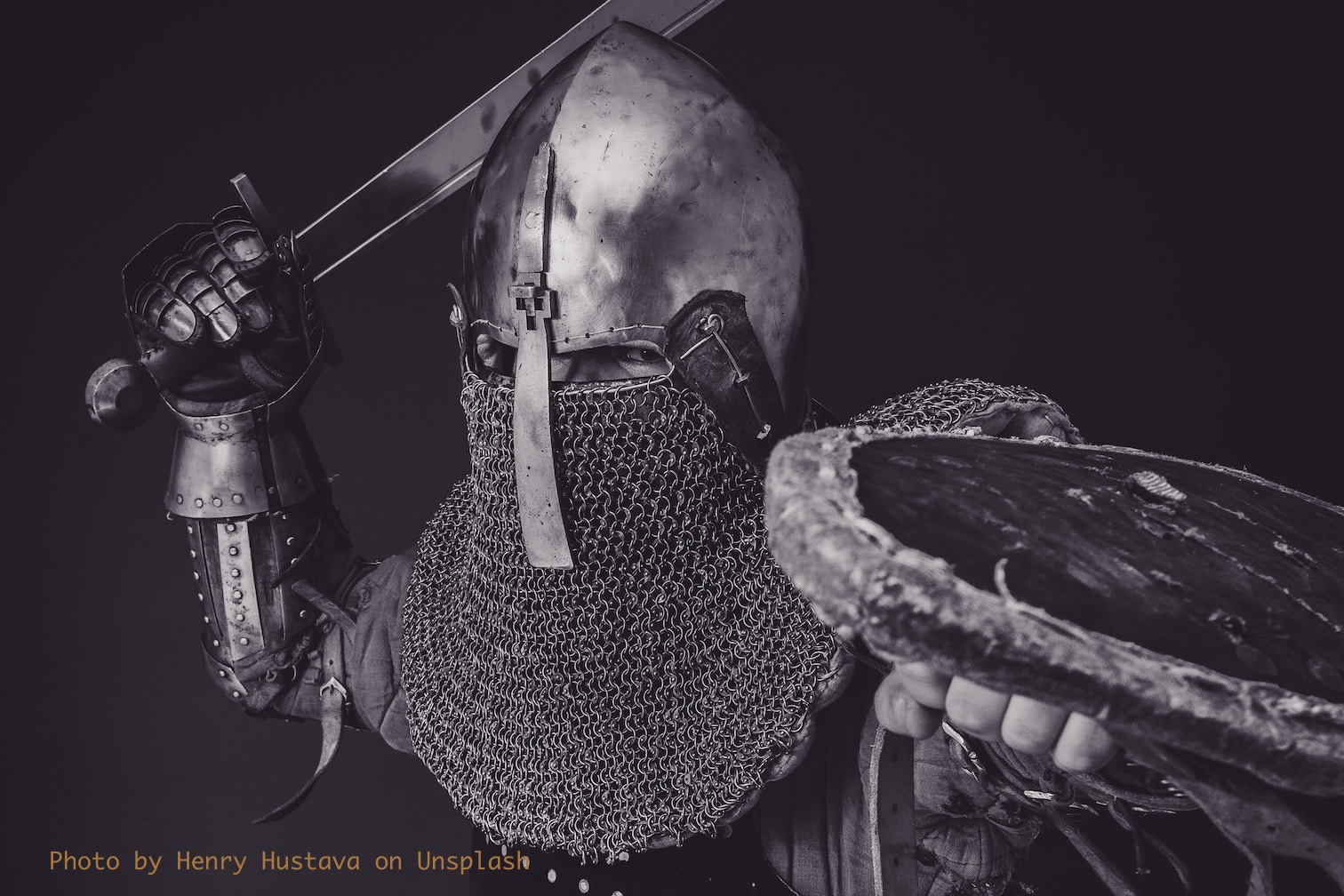
I feel alive when I write. We are just as different as two people can be. I’m okay with that. I have no death wish, no adrenaline bankruptcy. I used to feel most alive when I ran, or after playing the full 40 minutes of a basketball game in college. I can’t achieve that kind of rush anymore because physically, my body won’t allow it. And I think I’ve had enough brushes with death to say with certainty I don’t relish the opportunity for more. When annihilation has stared you in the eyes, you learn it’s wise to back away rather than surge toward it like a medieval warrior with a sword.
Honnold explains that he feels a bottomless pit of self-loathing—that nothing he does is good enough—which is part of his motivation for climbing. He acknowledges there’s satisfaction in facing a challenge, and the result is heightened when you are facing death. He says it allows him to be perfect, because if he’s not perfect, he falls and dies. Done.
Listening to these reasons and watching Honnold in action has put me a little closer to his world. It doesn’t make me want to climb; I just don’t get excited by the promise of death. I don’t want to skydive or bungee jump. I don’t want to cliff dive. I don’t even want to ride on the back of a motorcycle. I’ve done that before. Any rush I might have experienced was stamped out by sheer and utter panic. Feats like this put me into overdrive, flooding my amygdala with the kind of fear that says run! And this is the typical response—it’s why humans have survived over the centuries.
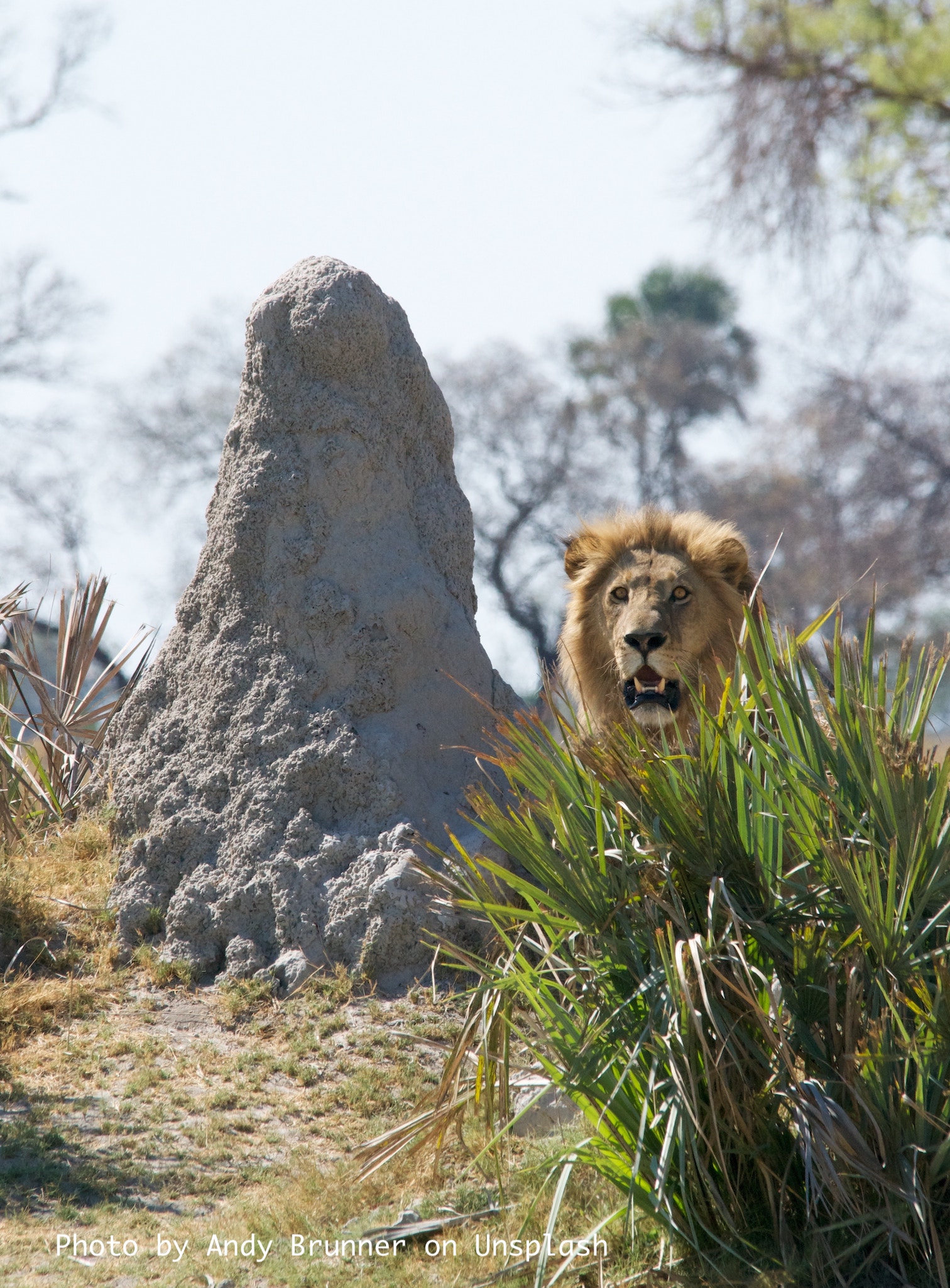
Our flight response has kept us safe from danger. Imagine if, from the very beginning, cave people started approaching the fierce lion, standing up to the hungry bear, throwing themselves off the cliff. There’d be about three people in the world, and that does not make a civilization. In order to thrive as a species, we had to fear and flee. And that’s okay with me.
Free Solo. Dir. Elizabeth Chai Vasarhelyi and Jimmy Chin. National Geographic Society, 2018.
 Mentally Well (ish)
Aren’t you glad that I told you about Free Solo? And I thoroughly enjoyed your writing even though I slept through his ascent.
LikeLike
Ah, thank you!
LikeLike